




Imagine entering a world where your kitchen transforms into a culinary laboratory, where precision and creativity collide to create mesmerizing dishes. Welcome to the realm of advanced cooking techniques. If you think your culinary skills have reached their peak, think again. From sous vide to molecular gastronomy, there’s a treasure trove of methods to elevate your cooking game. Buckle up, because this delicious journey is about to get interesting and perhaps a little quirky.
Sous Vide Cooking
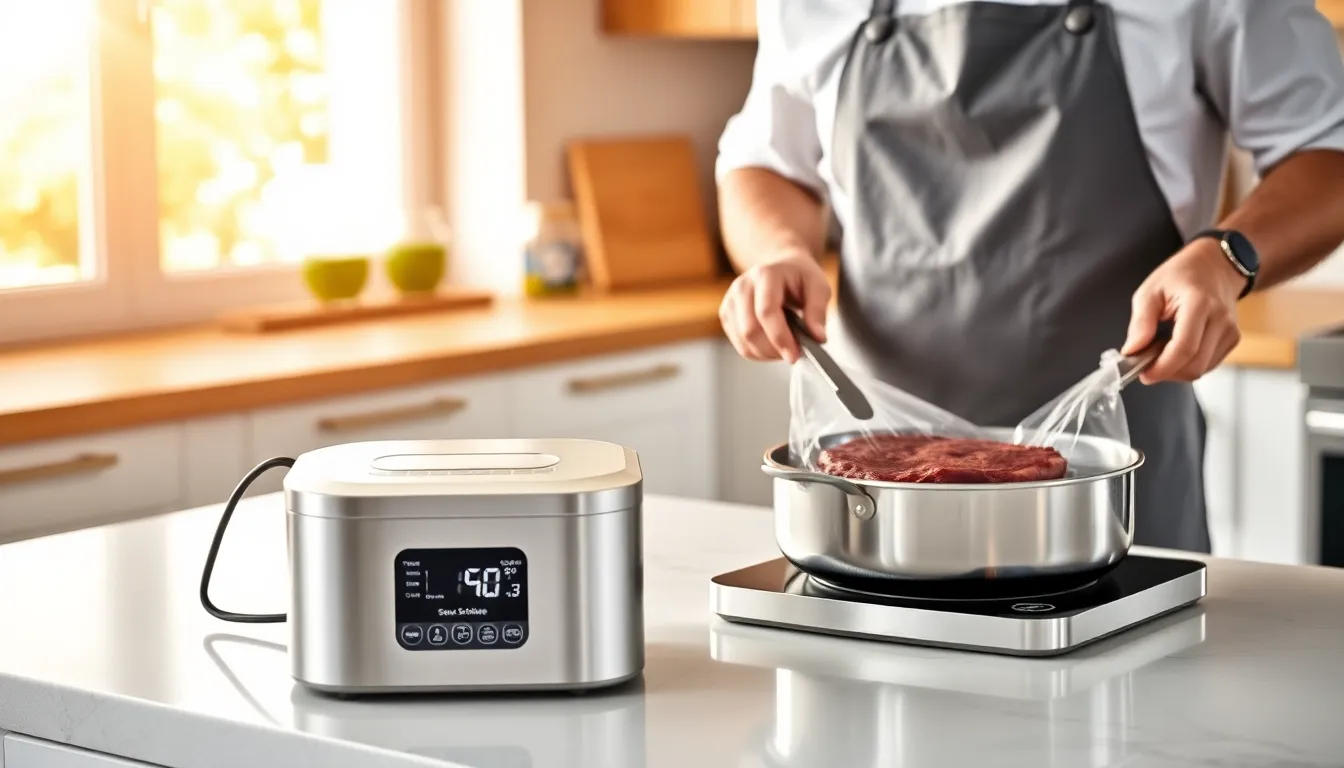
What Is Sous Vide?
Sous vide is a cooking method that involves vacuum-sealing food in a bag and cooking it to a very precise temperature in a water bath. Imagine cooking a steak to that perfect medium-rare without overcooking it. That’s the magic of sous vide. Originally developed for the food industry, it allows for remarkable consistency and mouthwatering results in home kitchens too.
Benefits of Sous Vide Cooking
One of the standout benefits is precision. Cooking meat at 140°F results in a delightful tender texture, something that traditional methods often struggle to achieve. Also, sous vide cooking retains more nutrients compared to other methods, ensuring that those green veggies keep their vibrant color and health benefits intact. Plus, the convenience of cooking food ahead of time and finishing it with a quick sear makes this technique a time-saver. Who wouldn’t want perfectly cooked food without the stress?
Tips for Successful Sous Vide Cooking
Start with high-quality ingredients because you want your dish to shine through. When vacuum-sealing, try to remove as much air as possible to maximize heat transfer. Also, cook at a temperature that suits your taste: every ingredient has its sweet spot. Finally, don’t forget to properly sear your food after it’s cooked. A quick trip to a hot pan or grill adds that charming caramelization to your perfectly cooked dish.
Molecular Gastronomy
Introduction to Molecular Gastronomy
Molecular gastronomy is where science meets sumptuous food. It involves using scientific methods to explore the physical and chemical transformations of ingredients during cooking. Think of it as cooking with a sprinkle of science, making things visually stunning and adding unexpected flavors that tantalize the palate.
Key Techniques in Molecular Gastronomy
Key techniques include spherification, gelification, and emulsification. Spherification allows you to create beautiful spheres that burst with flavor when bitten. Gelification transforms liquids into gels, turning your sauces into elegant presentations. Emulsification is perfect for creating creamy textures without adding dairy. With these techniques, every dish becomes a playful experience for the diner.
Safety and Considerations
Though exciting, molecular gastronomy requires a touch of caution. Familiarize yourself with various ingredients and ensure your cooking environment is safe. Always adhere to food safety measures, especially when using unfamiliar techniques or ingredients. Knowledge is your best ingredient.
Smoking and Hot Smoking Techniques
The Basics of Smoking
Smoking has a long history in cooking, imparting flavor that can’t quite be replicated by other methods. At its core, it involves exposing food to smoke from burning or smoldering materials, usually wood. This technique not only preserves food but also infuses it with a rich, smoky flavor that can take meats, cheeses, and even vegetables to the next level.
Cold Smoking vs. Hot Smoking
Cold smoking introduces smoke at lower temperatures (typically below 100°F) without cooking the food. This is commonly used for products like smoked salmon. Hot smoking, on the other hand, cooks the food while smoking, resulting in fully cooked, smoky tender meats. Knowing when to use each method will enhance your culinary repertoire and impress your guests.
Flavoring with Smoke
Experiment with different types of wood chips, such as hickory, mesquite, or applewood, to discover the unique flavors each imparts. Add herbs and spices to the mix, and you will elevate your dishes to something extraordinary. Just remember, balance is key: too much smoke can overpower the food’s natural flavors.
Fermentation in Cooking
What Is Fermentation?
Fermentation is nature’s way of preserving food while developing complex flavors and beneficial microbes. The process converts sugars into acids, gases, or alcohol with the help of bacteria or yeast. Think of how delightful homemade sauerkraut or kimchi can be.
Benefits of Fermentation
Not only does fermentation extend shelf life, but it also enhances the nutritional profile of food. Fermented foods are rich in probiotics which contribute to gut health, a win-win for both your taste buds and wellness. Besides, the delightful tanginess and unique flavors add incredible depth to your dishes.
How to Ferment at Home
To start your fermentation journey, gather some jars and fresh produce, then jump into simple recipes like pickled vegetables or yogurt. Maintain proper temperatures and hygiene to avoid unwanted mold. With a little patience and care, you’ll master this ancient technique.
High-Temperature Cooking Techniques
Understanding High-Temperature Methods
High-temperature cooking covers methods like grilling, broiling, and roasting that cook food at high heat. At these temperatures, the Maillard reaction kicks in, creating those coveted golden-brown crusts and deep flavors. This technique is not just for meats but can be employed with vegetables and even fruits.
Popular High-Temperature Techniques
Grilling is immensely popular for its charred flavors, while broiling uses an overhead heat source for rapid cooking. Roasting, typically associated with vegetables and meats, produces a beautiful caramelization that enhances everything it touches. Each method basks in the glory of high heat, showcasing a varied palette of flavors.
Selecting Ingredients for High-Temperature Cooking
Choose cuts of meat that can handle high heat, such as ribeye steak, and robust vegetables like asparagus or Brussels sprouts. Opt for fresh produce at its peak ripeness, ensuring both flavor and texture shine through. Remember, the right ingredient selection is half the battle won.