




When it comes to cooking, everyone starts somewhere. Some might flub an omelet, while others can barely boil water. But fear not. With the right guidance on basic cooking techniques, anyone can transform from kitchen novice to culinary whiz. Imagine impressing family and friends with your newfound skills, or at the very least, avoiding the smoke alarm. So grab your apron and let’s jump into the fundamentals to elevate that home cooking game.
Understanding Cooking Methods
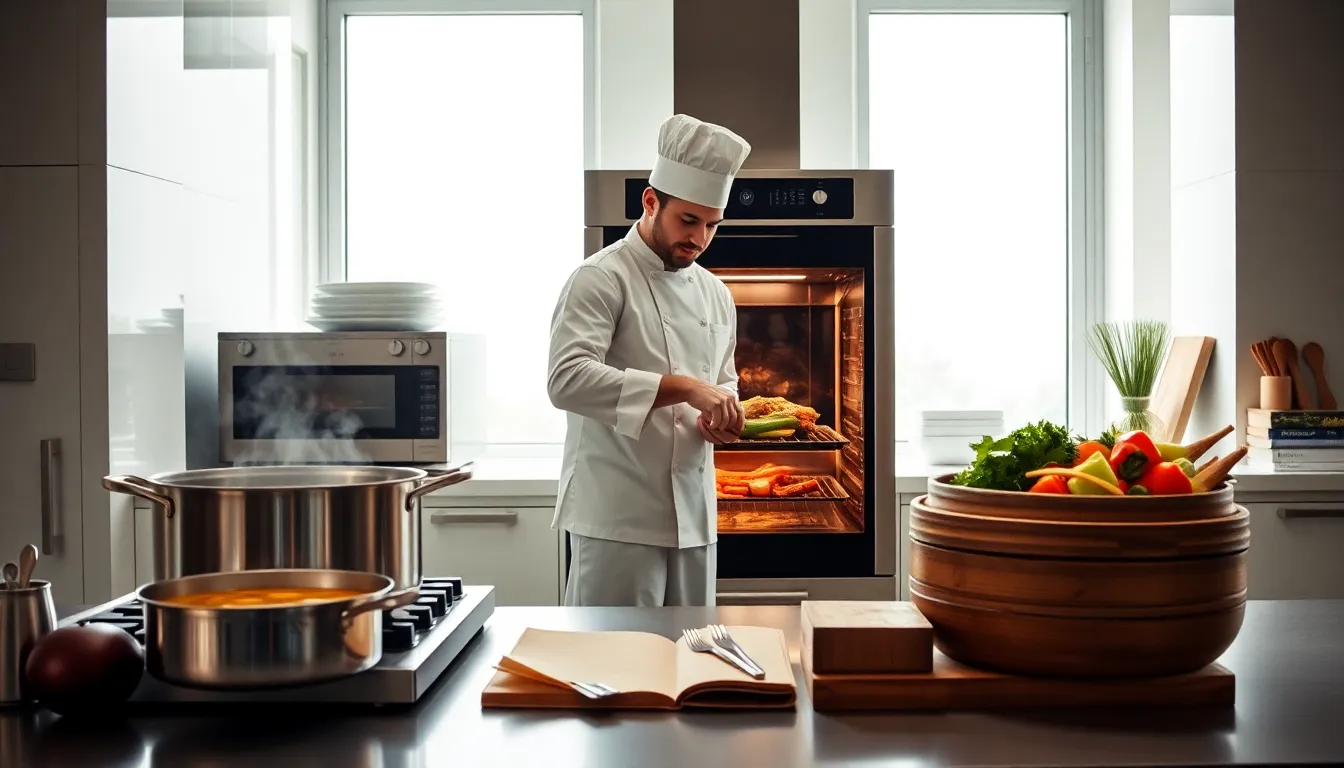
Cooking isn’t just about slapping ingredients together: it’s about understanding the various methods that bring out the best flavors and textures in food. At its core, cooking can be categorized into three primary approaches: dry heat, moist heat, and combination techniques. Each method has unique characteristics and applications, making it essential to grasp their fundamentals. Once understood, they can unlock a world of culinary creativity.
Dry heat cooking involves the application of heat without any added moisture. Techniques such as roasting, baking, and grilling fall into this category. Moist heat cooking methods rely on water or steam and include boiling, steaming, and poaching. For those ambitious chefs, combination cooking techniques mix the two, mixing dry and moist methods, as seen in braising or stewing. By understanding these cooking methods, food enthusiasts can choose the right technique for each dish they prepare.
Dry Heat Cooking Techniques
Dry heat cooking isn’t just for enthusiasts hoping to scorch their steaks. This method is fundamental, and it covers several techniques worth mastering:
Roasting
Roasting is like giving your ingredients a warm hug. It concentrates flavors while creating a lovely caramelization on the surface. Perfect for meats and veggies, use a high, dry heat to achieve this.
Baking
Think of baking as the sweeter sibling of roasting. Cakes, breads, and casseroles all flourish in an oven’s embrace. Precision is key, measure your ingredients and keep an eye on the temperature.
Grilling
Grilling adds a smoky depth that no other method can replicate. Whether it’s steak, veggies, or fruits, grilling over an open flame infuses food with flavors that’ll keep everyone coming back for seconds.
Sautéing
A swift technique where food is cooked quickly over high heat with just a small amount of fat. This method is exceptional for quick meals, making it a favorite among busy cooks. Just don’t forget to stir.
Mastering these dry heat techniques opens a whole new realm of culinary possibilities.
Moist Heat Cooking Techniques
Moist heat cooking offers a different flavor and texture experience than dry heat. Here are some essential moist heat techniques:
Boiling
Boiling involves cooking food in boiling water. This method is straightforward and typically used for pasta and vegetables. Keep in mind, but: overcooking can lead to a loss of flavor and nutrients.
Steaming
Steaming might be the unsung hero of cooking. It retains more vitamins and minerals compared to boiling. Using a steaming basket, food cooks evenly and comes out tender without added fat.
Poaching
Poaching is a gentle method where food, usually proteins, is submerged in a simmering liquid. It’s an excellent way to prepare eggs or fish, resulting in a soft texture without the harsher effects of frying.
These moist heat techniques are perfect for creating healthy dishes that don’t skimp on flavor.
Combination Cooking Techniques
Combination cooking techniques mix the best of both worlds, moist and dry heat, to achieve incredible depth of flavor and texture:
Braising
This technique involves searing food first and then slow-cooking it in a small amount of liquid. The result? Tender, flavorful dishes that are perfect for tough cuts of meat.
Stewing
Similar to braising, stewing involves cooking food in a generous amount of liquid. This method is fantastic for letting the flavors meld together beautifully while ensuring the food is well-cooked and comforting.
These techniques are particularly useful in showcasing the intricacies of flavor, ideal for seasoned home cooks or those just starting their culinary journeys.
Essential Cooking Tools and Equipment
Having the right tools in the kitchen can make or break cooking experiences. Here’s a list of essential equipment that every aspiring chef should consider:
- Chef’s Knife: The cornerstone of any kitchen. A good knife is vital for chopping, slicing, and dicing.
- Cutting Board: This protects your countertop and keeps your knife sharp. Opt for wood or plastic that can be easily sanitized.
- Cooking Pots and Pans: Invest in a variety, including non-stick and stainless steel, for different cooking methods.
- Baking Sheets: Essential for baking cookies or roasting vegetables, ensuring even heat distribution.
- Measuring Cups and Spoons: Accurate measurements lead to consistent results: precision is key.
- Mixing Bowls: Useful for combining ingredients and seasoning. Opt for glass or stainless steel for durability.
Equipped with these tools, anyone can tackle new recipes with confidence.
Tips for Mastering Cooking Techniques
Cooking is as much about technique as it is about creativity. Here are some valuable tips for mastering basic cooking techniques:
- Practice Regularly: Repetition makes perfect. Cook as often as possible to develop technique and confidence.
- Taste as You Go: Adjust seasonings and cooking times based on the flavors you experience in real-time. It’s your dish: make it yours.
- Watch Cooking Shows: These not only inspire but can provide practical, hands-on techniques demonstrated by professionals.
- Experiment with Ingredients: Trying out different spices or herbs can elevate a dish beyond expectations. Don’t be afraid to get creative.
- Clean as You Go: Maintaining a tidy workspace allows for a more enjoyable cooking experience.
Incorporating these tips can help anyone go from average home cook to a culinary master.