




In today’s fast-paced digital landscape, where learning has transcended traditional boundaries, digital learning tools have emerged as a game changer. But let’s face it, if you’re still relying on dusty textbooks and the occasional awkward teacher-student chat, you’re missing out. Welcome to Freedom Hill, where online learning isn’t just a smart move: it’s a cultural phenomenon. Buckle up as we explore how this revolutionary approach is transforming education and making it more engaging than ever.
Overview of Digital Learning Tools
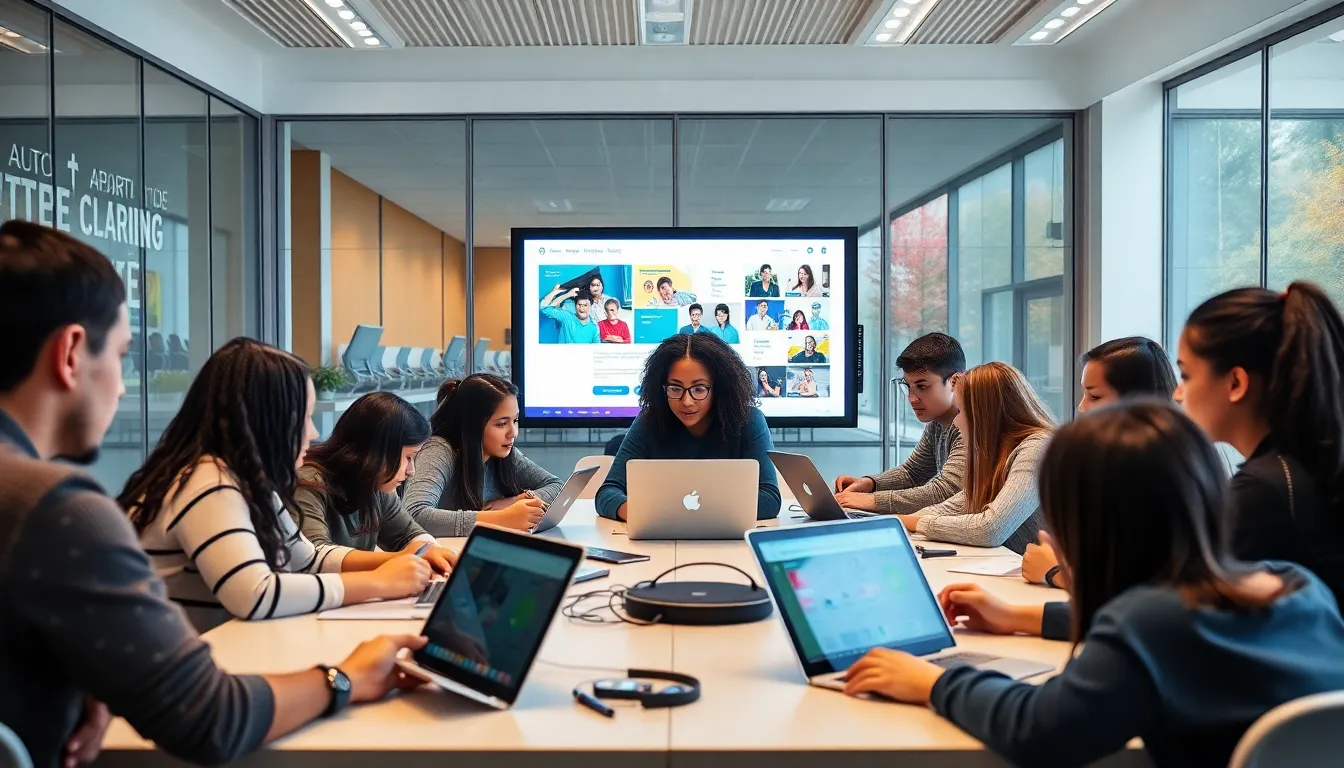
Digital learning tools encompass a wide range of software, platforms, and applications designed to enhance the educational process. They can include anything from learning management systems (LMS) to interactive apps and online courses. In a nutshell, these tools leverage technology to help education, making learning accessible anytime, anywhere. With the rise of online schooling, especially during global disruptions, such tools have become essential. Freedom Hill is at the forefront of this digital transformation, effectively integrating various digital resources to enhance student experiences and outcomes.
Benefits of Using Digital Learning Tools
The benefits are multiple. First off, digital learning tools promote personalized education. Each student has unique learning curves and preferences. With adaptive learning technologies, educators can tailor content to meet individual needs. This not only enhances understanding but also boosts engagement.
Also, these tools foster interactivity. Instead of passively absorbing information, students actively participate through quizzes, videos, and group projects. Let’s not forget about accessibility: learners can access materials from anywhere, whether it’s at home, in a park, or traveling. This flexibility allows for a more accommodating learning environment, significantly aiding those with different schedules or geographical barriers. Also, educators benefit from time-saving features, allowing them to focus more on teaching and less on administrative tasks.
Exploring Freedom Hill’s Approach to Digital Learning
Freedom Hill’s adoption of digital learning tools is not just about using technology: it’s about strategically integrating it into the educational fabric. The institution has developed a unique ecosystem that combines various digital resources tailored to its specific educational goals.
Classes at Freedom Hill are designed around interactive experiences, combining virtual classrooms with real-time feedback mechanisms. Imagine students engaging with multimedia content and collaborating on projects with peers from different locations. With tools that encourage discussion in forums and flexibility in assessments, Freedom Hill exemplifies how digital can enrich traditional learning paradigms.
Key Features of Digital Learning Tools at Freedom Hill
Several standout features set Freedom Hill’s digital learning tools apart. First, the seamless integration of Learning Management Systems (like Canvas or Blackboard) makes accessing resources a breeze. Students can easily navigate course materials, see their progress, and communicate with instructors.
Another significant feature is the availability of real-time analytics. Instructors can track student performance instantly, identifying who may need extra help or who’s acing it. This allows for proactive intervention strategies to keep students on track.
Finally, the diverse range of multimedia content, from podcasts to interactive simulations, ensures that learning remains engaging and relevant. With such tools, students can explore subjects deeply, not just superficially.
Challenges and Solutions in Implementing Digital Learning
Like any robust system, implementing digital learning tools comes with challenges. One prominent issue is the digital divide: not all students have equal access to technology or the internet. Freedom Hill addresses this by offering resources like laptop lending programs and offline materials to ensure equitable access.
Another challenge is the resistance from both staff and students, as some may find the transition to digital daunting. Professional development sessions help educators become familiar with new tools, ensuring they feel comfortable integrating technology into their teaching. Open lines of communication for students also support this change, making them feel more confident embracing new platforms.
Future Trends in Digital Learning at Freedom Hill
As technology continues to evolve, so too will the landscape of digital learning at Freedom Hill. The future might see an increased emphasis on artificial intelligence tools that provide even more personalized learning experiences. Imagine a tutor that adapts based on a student’s learning speed or preferred subjects.
Besides, the integration of virtual and augmented reality could transport students into immersive learning environments. Whether they’re walking through ancient civilizations or exploring the depths of the ocean, these experiences could make learning unforgettable. With such trends on the horizon, Freedom Hill is poised to be a front-runner in educational innovation.