




Indian cooking techniques represent a vibrant tapestry of flavors, aromas, and traditions that have been carefully woven over thousands of years. Ever wondered why your friend’s biryani tastes better than what you find in a restaurant? It’s not magic: it’s the methods and skills that make the difference. From the tandoor’s fiery embrace to the gentle simmer of regional specialties, Indian cuisine is a delicious journey through time and culture. Get ready to jump into the intriguing realm of Indian cooking techniques, from age-old practices to modern adaptations, all while keeping your taste buds tingling.
Understanding The Foundation Of Indian Cuisine
Key Characteristics Of Indian Cooking
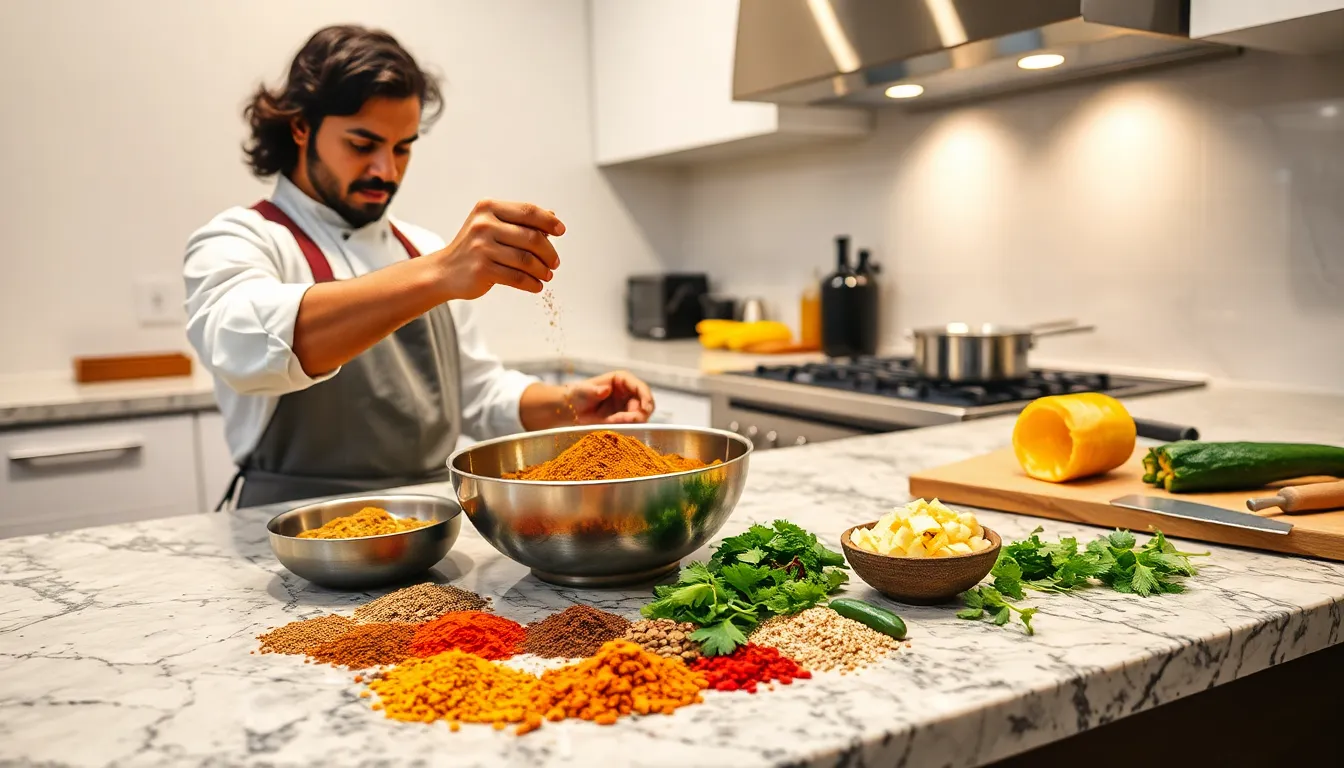
Indian cooking is renowned for its rich complexity, combining spices, textures, and techniques to create unforgettable dishes. One defining feature is the use of an extensive array of spices that are often blended into masalas. This layering of flavors makes each dish unique and allows it to cater to various palates. Also, cooking methods can vary widely, ranging from slow-cooked curries to quick stir-fries.
Essential Ingredients In Indian Cooking
At the heart of Indian cuisine lies a select group of essential ingredients. Staple items such as rice, lentils, and various flours serve as the foundation of many dishes. When it comes to spices, cumin, coriander, turmeric, and garam masala are common players. Fresh herbs, like cilantro and mint, elevate dishes further, adding vibrancy and freshness. Understanding these ingredients is key to mastering Indian cooking and unleashing a world of flavors from your kitchen.
Popular Regional Cooking Techniques
North Indian Cooking Techniques
North Indian cuisine often emphasizes the use of dairy, especially ghee, paneer, and yogurt. Techniques like tandoori cooking are prevalent here. Tandoor, a clay oven, is used to bake breads like naan and to roast meats, resulting in a smokey flavor that’s hard to resist. Also, slow-cooking techniques are employed in dishes like korma to deepen flavors, making each bite a delight.
South Indian Cooking Techniques
Moving south, the emphasis shifts to rice and lentils, with coconut featuring prominently. One of the hallmark techniques is steaming, often seen in idlis and dosas. Fermentation plays a crucial role in creating these light, airy delights. Another unique method involves tempering, where spices are briefly fried in oil to release their essential oils before they are added to a dish.
Eastern And Western Indian Cooking Techniques
Eastern Indian cuisine, particularly from Bengal, showcases fish and rice as staples, with techniques like shorshe (mustard oil frying) predominating. Meanwhile, Western Indian cooking, especially from Gujarat and Maharashtra, focuses on a mix of sweet and savory flavors. Here, techniques such as dhokla (steamed) and bhaji (fried fritters) are central. Both regions use varied spices that enhance their unique dishes.
Traditional Cooking Methods
Tandoor Cooking
Tandoor cooking is a revered technique in Indian kitchens, involving a clay oven that reaches high temperatures. This method not only bakes bread, like naan and rotis, but also grill meats to perfection. The intense heat creates a unique texture and imparts a delicious smokiness that is distinctive to tandoor dishes. The art of tandoor cooking requires skill and patience, making it a social event often enjoyed with family and friends.
Dum Cooking
Dum cooking is another traditional method that involves sealing food in a pot with dough and cooking it on slow heat. This technique traps all the moisture and flavors inside, resulting in tender, aromatic dishes. Biryani, a classic Indian dish, is a prime example where dum cooking elevates it to a new experience, encapsulating spices and meat in fragrant rice.
Tadka And Tempering Techniques
Tadka, or tempering, is a process of heating oil and adding spices to release their flavors before mixing them into the main dish. This technique enhances the overall taste and adds complexity. It’s often used in lentil dals and vegetable curries, bringing the dish to life with fragrant spices sizzling in hot oil.
Modern Adaptations In Indian Cooking
Fusion Techniques
With globalization, Indian cooking has embraced fusion techniques that blend traditional methods with international flavors. Chefs use spices in unconventional ways, combining them with Western ingredients to create innovative dishes. For instance, tandoori chicken tacos or masala pasta showcase how Indian flavors can effortlessly mingle with different cuisines, exciting food enthusiasts and offering fresh experiences.
Healthy Cooking Practices
Modern adaptations also include healthier cooking practices, focusing on minimal oil and fresh ingredients. Techniques like grilling, steaming, and poaching gain popularity as health-conscious eaters seek to enjoy traditional flavors without compromising their wellbeing. Ingredients like quinoa, bhulja (puffed rice), and seasonal vegetables find their way into classic recipes, keeping them relevant for today’s health-centric preferences.